Rise of Treasure Hunts: Why Gamification Leads Museum Experience Trends 2026?
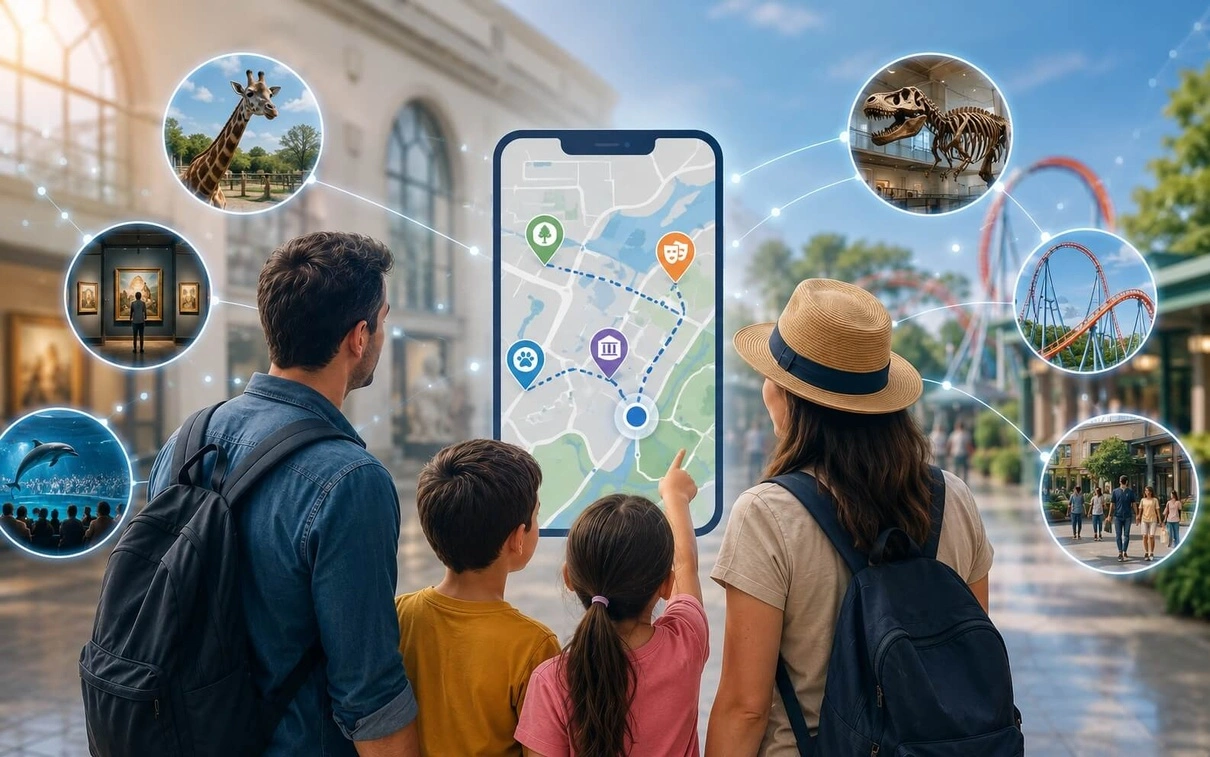
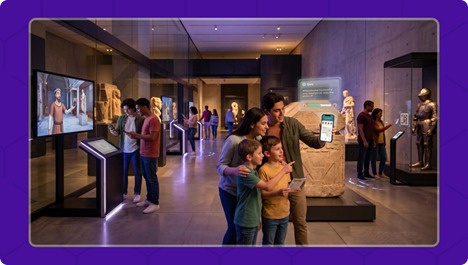
The era of museum experiences is evolving in so many ways than one can imagine and how! One of the highlight trends of 2026 includes gamification and treasure hunt. It is one popular way of enhancing a visitor experience. This has automatically led to museums transforming to a not so quieter space but a dynamic, interactive environment where active participation fuels learning, powered by gamification at its core.
Using gamification in museums fulfils the goal of deeper, more engaging visitor experiences. Games involve challenges, rewards, storytelling, and immersive Treasure Hunt experiences for interactive and memorable learning. Visitors are now active explorers; they build stronger connections with interest and come back again.
Beyond Displays: Turning Walls into Interactive Worlds
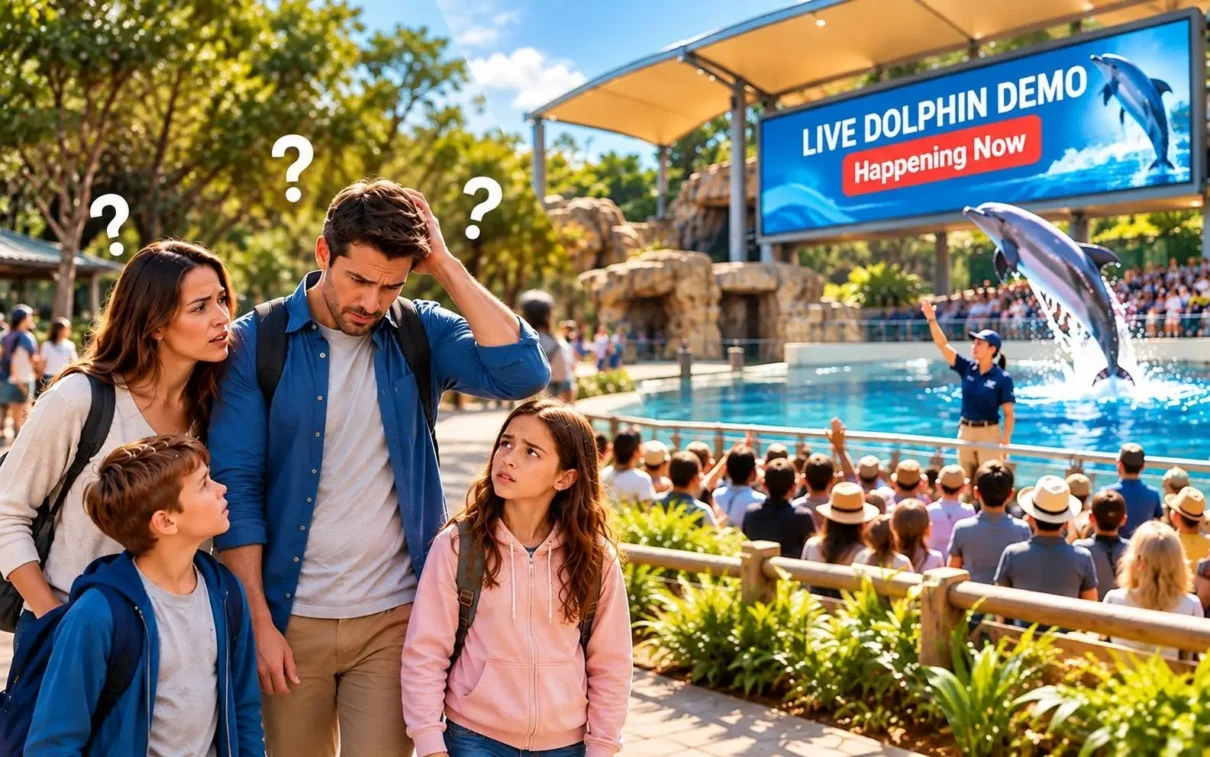
Static displays and long descriptions are an expectation from a traditional museum experience. Even though these are informative, they are overwhelming and disengaging- especially for younger audiences.
So, when gamification is introduced, the dynamics change!
Instead of simply observing, visitors are encouraged to:
• Take part in interactive challenges
• Make decisions to further their journey
• Receive more content as they progress
This shift is actually how passive viewers become active participants. When people interact, explore, and make choices, they naturally dwell in what they’re learning.
Why Gamification Works So Well?
Gamification uses curiosity and rewards to increase engagement and motivation. It turns a simple walk into an exciting mission, where small wins keep visitors happy and exploring more throughout.
Here’s why it’s so effective in museum settings:
1. Learning Becomes Natural
When it comes to complex topics of history and science, gamification offers a key role in breaking information into smaller, manageable steps.
Instead of reading long explanations, visitors:
• Solve puzzles
• Complete missions
• Answer quizzes
This is a step-by-step learning approach that reduces information overload and helps visitors absorb information more easily.
2. Engagement Lasts Longer
Playing naturally makes the player stay longer.
Visitors get motivated through game elements such as:
• Progress tracking
• Rewards and badges
• Leaderboards
This way, visitors continue exploring, which increases both dwell time and overall satisfaction.
3. Participation Drives Retention
Active participation creates a more memorable visitor experience than passive reading. To further increase engagement, and create an emotional connection, treasure hunts and storytelling are ideal. They also help better retain information after the visit.
Treasure Hunt in Action: Real-World Inspiration
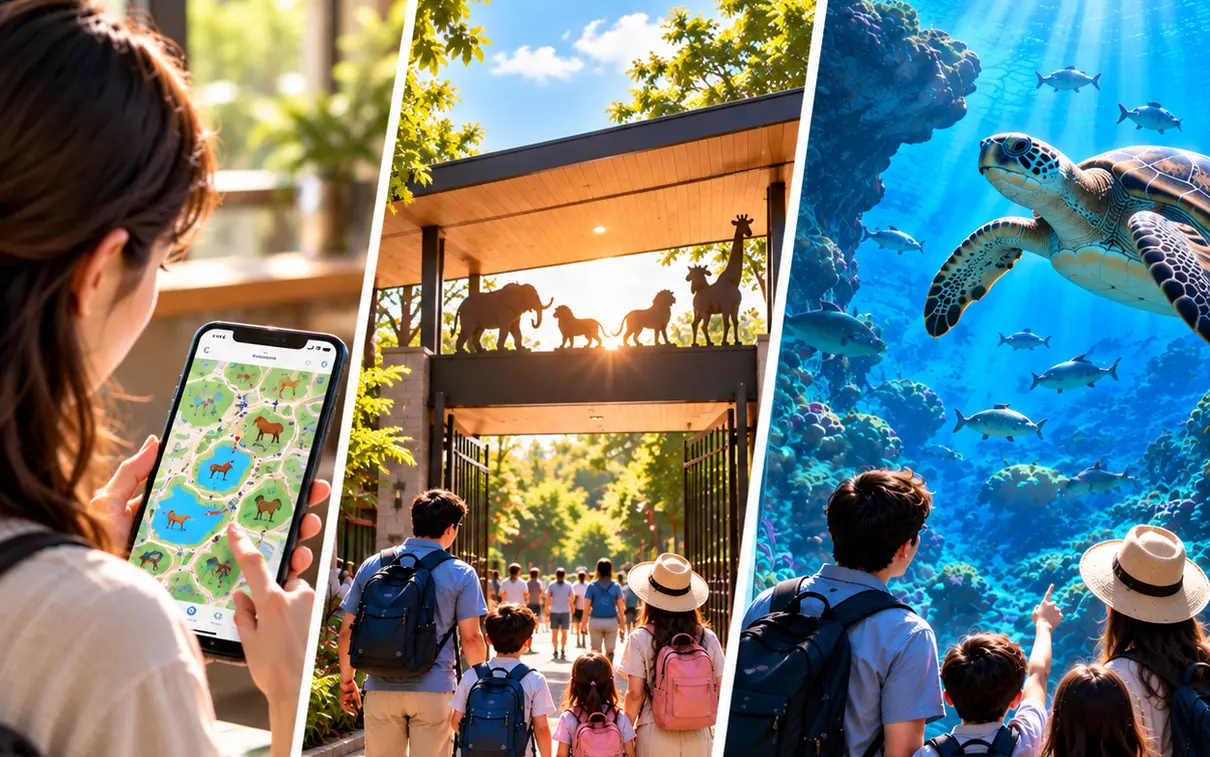
At Fossil Rim Wildlife Center, the mobile app developed by Pigeon Tech has introduced a gamified exploration journey. It is not only navigation but also encouraging visitors to discover, identify, and engage with wildlife.
Various interactive features make the visit fun, goal-driven adventure, and increase repeat visits. Some of these are:
• Animal recognition: Identifies wildlife during park exploration
• Interactive maps: Guides visitors through real-time navigation
• Species tracking: Records and follows animal sightings
• Collecting sightings: Builds personal wildlife discovery log
• Mission-based experience: Turns drive-through into guided adventure
Overall, the learning seems rewarding, and sightseeing turns into an engaging, curiosity-led journey for all ages.
Key Gamification Elements Museums Are Using in 2026
There are a wide range of gamified features for high visitor engagement in museums
• Treasure Hunt Experiences
Visitors follow clues, solve puzzles, and explore exhibits on a fun, interactive journey across the museum.
• Interactive Quizzes and Challenges
To encourage dynamic learning, quizzes help test visitors’ knowledge in real time
• Decision-Based Storytelling
Exhibits allow visitors to pick up different routes, so everyone has a different story.
• Augmented Reality (AR) Experiences
Artifacts look more life-like through AR. This way, interactivity and immersive experience increases.
• Digital Rewards and Achievements
Badges, points, and milestones motivate visitors to explore more areas of the museum.
• Social and Multiplayer Features
Team challenges and group games make museum visits more fun, social, and engaging for everyone involved.
Why is Gamification Essential for Modern Museum Experience?
Gamification, such as treasure hunts or scavenger hunt apps, is no longer optional- it is one of the highlights that make museums stay relevant.
Here’s why:
Changing Visitor Expectations
Audience expectations already include interactive digital experiences. Dynamic displays work; static displays alone no longer completely engage, relate, or retain.
Competition for Attention
Gamification helps museums play the field when they have competitions from streaming platforms, social media, and gaming.
Connecting different generations together
Gamified experiences appeal to both younger and older audiences, making museums more inclusive.
Driving Repeat Visits
Interactive and evolving experiences make visitors more likely to return and explore again.
Challenges to Consider
While gamification has many benefits, it needs careful planning to be effective. The decision makers should consider that the purpose remains for learning and preserving knowledge. So, gamification integration should improve the museum experience.
• Balance is key: Keep focus on learning, not only fun.
• Accessibility matters: Make experiences easy for all ages and abilities.
• Technology integration: Ensure smooth digital systems without interruptions or confusion.
The Role of Pigeon Tech
With the adoption of gamification, smart, scalable technology has become essential, and Pigeon Tech initiates the change.
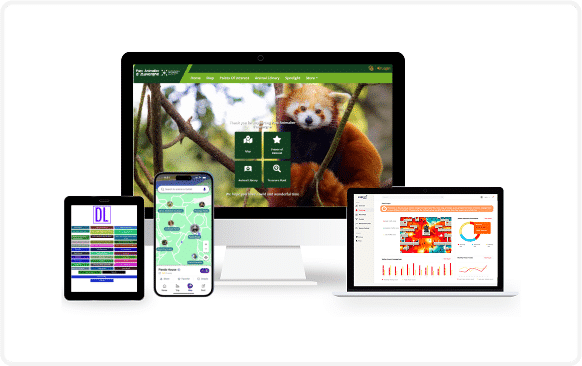
Pigeon Tech is working beyond digital tools for interactive, connected experiences. Use of mobile apps, AI insights, and simple design is how we make an engaging and educational gamified journey. This also makes the institutions visit fun, and immersive.
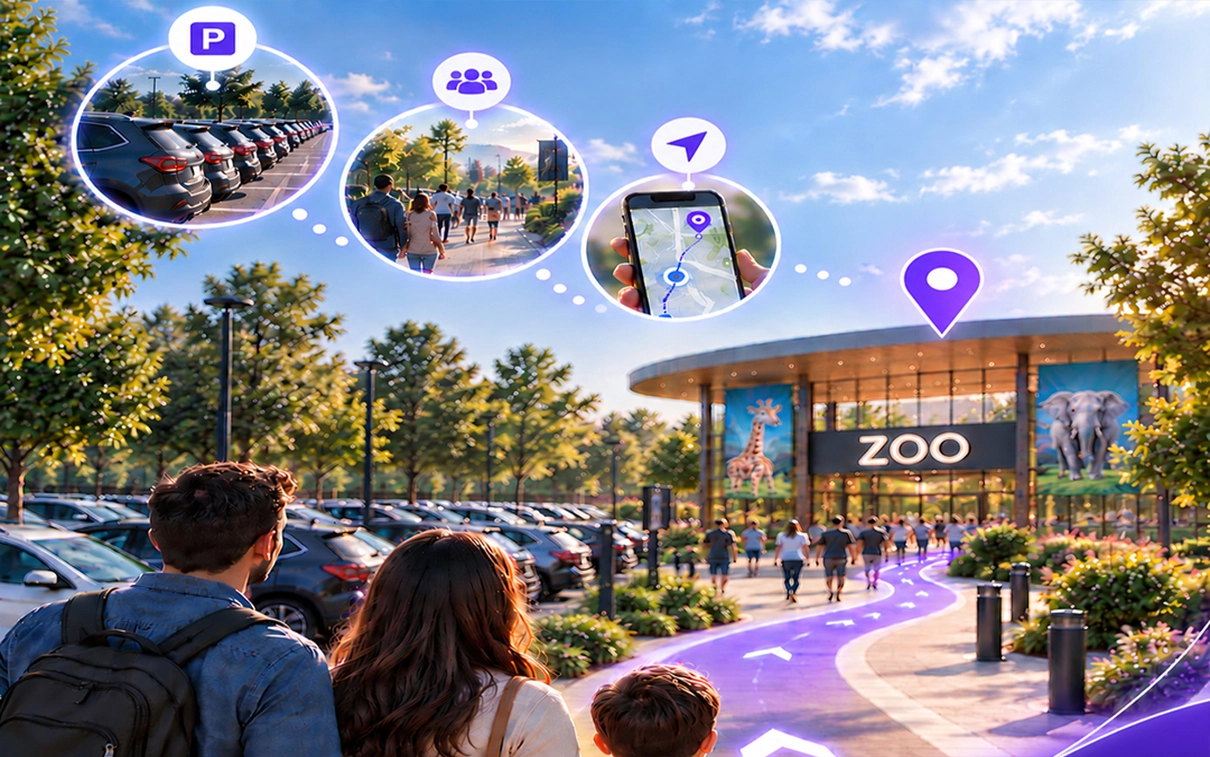
Interactive storytelling paths, and real-time visitor engagement features make the visitor journey seamless. Navigating different spaces becomes simple, participation is effortless, and visitors receive personalized content throughout their journey.
What sets Pigeon Tech apart is its focus on simplicity and impact. We understand that museums can’t run using complex systems; the solutions should smoothly work for both visitors and operators.
Physical spaces will be turned into smart, responsive environments for high engagement, improved learning outcomes, and create memorable experiences.
At Pigeon Tech, we help museums capture and hold attention in a distracted world.
The Future of Gamification in Museum Experiences
• Gamification will use AI and AR to create a personal visitor journey in the future.
• Storytelling will adapt along the way to reflect each guest’s unique choices and actions.
• This shifts the experience from a standard tour into a living, responsive narrative that makes every visit unique.
Conclusion
Museums must now step into dynamic, interactive environments to engage modern audiences. The use of gamification and immersive technologies is an effective trend in attractions to make learning more meaningful and memorable.
Visitors should explore, participate, and play throughout their journey. When museums do this, visitors relate to history more, get involved actively rather than just observe.
If you are ready to make your museum more interactive and engaging?
Explore how gamification is transforming visitor experiences and see how Pigeon Tech can help you create smarter, more connected journeys.